Wednesday, 30 September 2015

Rooms with a view: 6 of the best in Canada

If, like me, you love water, you will always choose a hotel near a lake, river or the ocean. But that is only the beginning. Then you have to choose the right room. You need to get a room overlooking the water. Yes, it costs a few pounds more than looking over the city or, […]

Rooms with a view: 6 of the best in Canada is a post from A Luxury Travel Blog

The post Rooms with a view: 6 of the best in Canada appeared first on A Luxury Travel Blog.

Monday, 28 September 2015

Special feature: Seasides, Weymouth, Dorset, UK

The seaside town of Weymouth has one of the best weather records in the UK with low rainfall and over 1,800 sunshine hours per year, so when the opportunity arose for our sons to take part in a national sailing competition there, we of course jumped at the opportunity. We stayed at Seasides, a self-catering […]

Special feature: Seasides, Weymouth, Dorset, UK is a post from A Luxury Travel Blog

The post Special feature: Seasides, Weymouth, Dorset, UK appeared first on A Luxury Travel Blog.

Thursday, 24 September 2015

Ten female bloggers you should follow

Women are amazing. Men are amazing too, but this post is about the female half of the species, specifically about ten women who blog.

One of the best things about travelling is the chance to meet new people. Craig and I are lucky enough to have friends all around the world; some are people we’ve stayed with through Couchsurfing or AirBnB, others are fellow travellers. Still others are members of the ever-growing travel bloggers’ community, which is full of truly excellent people. At a recent blogging festival, I met one of these people: Alys from The Wild Life. Last week, she nominated me for the Sisterhood Of The World Bloggers Award.

I’d never heard of this award before and my search for answers on Google was not particularly fruitful, but it seems to be a way for women to share a bit about themselves and show some love to their favourite fellow female bloggers. Or at least, that’s what I’m going to use it for!

The rules of the award are:

  • State who nominated you.
  • Answer their questions.
  • Nominate ten other female bloggers.
  • Ask them ten questions.
Two female bloggers at the wine fight in Haro Spain

There are some awesome female bloggers out there — like our friend Janine (in this photo, covered in wine).

My nominations

There are a lot of awesome female bloggers out there, these ten are some of my favourite people — check them out!

Sherry from Ottsworld.

We’ve known Sherry for almost as long as we’ve been travelling, and have met up with her in several countries. We’re always impressed by her intrepid adventures.

Jodi from Legal Nomads.

Jodi’s another inspiration. Her long-form articles are beautifully written, and though we may not agree about whether or not to eat olives, we love hanging out with her.

Lauren from Spanish Sabores.

As well as blogging, Lauren also runs a food tour company introducing travellers to delicious Spanish food.

Leigh from The Future is Red.

Leigh is one of those genuinely amazing people who it’s always a pleasure to be around. We spent six weeks with her and her husband at their home in Salta, Argentina, and were impressed with their work with indigenous people and underprivileged kids.

Deb from The Planet D.

Deb and her husband Dave are two of the most adventurous people I know — hence their motto “adventure is for everyone”. Deb is an outgoing, friendly person who always seems to have a good word for everyone.

Alisa from Alisa Abroad.

During my year in Alcalá de Henares, I spent a lot of time with Alisa, who worked at the same school as me. I enjoy her blog for its honest reflections on life.

Janine from Carry On Exploring.

If you listen to the podcast, you might have noticed that Janine is one of our best friends. We’ve travelled with her in a dozen or so countries and really enjoy her company — and her blog.

Liz from Young Adventuress.

Liz is a lovely person who it’s always fun to be around, and her blog is one of the most popular travel blogs out there. Plus, she’s living in New Zealand, so there are always lots of lovely photos of home on her site!

Leyla from Women on the Road.

Leyla is a super intelligent, dauntless woman who I have a lot of time for. Her blog is full of really useful advice for solo women travellers, so if you’re one of those, check it out.

Dalene from Hectic Travels.

We met Dalene and her husband Pete at a blog camp they were running in Ireland, and I enjoyed their company SO MUCH. I also enjoy Dalene’s writing style, which is friendly and inclusive.

Questions for nominees

  1. Why do you travel?
  2. Suitcase or backpack?
  3. What luxury item do you take with you?
  4. Who do you like to travel with?
  5. What’s great about your home town?
  6. Do you ever feel tired of travelling?
  7. What’s the most challenging thing about travel?
  8. Tell me about a moment when you felt really happy.
  9. What have you only recently learned about travel or about yourself?
  10. Which travel destination would you love to go back to?
Trekking up the Roy's Peak track in New Zealand

Who do you like to travel with?

Alys’s questions and my answers:

1. Where was your first ever trip abroad to?

I have no idea! My family travelled a lot when I was a child, and my first trip overseas was almost certainly before I turned one year old. It was probably to Australia, though, which is the closest country to our home country of New Zealand.

2. Why did you start your travel blog?

We’d been travelling for about six months and kept making ridiculous mistakes. We started the Indie Travel Podcast to share our errors with people so that they wouldn’t make the same mistakes we had.

3. What’s the worst thing that’s ever happened whilst you were travelling?

When we were in Romania, we were sucked in by a scam. A man approached us as we were walking to our hostel and told us that it had been closed because someone had been murdered there the previous night. He led us to a taxi which charged us an extortionate amount to take us to a “tourist park” where we would be “safe”. I still feel sick when I think about it.

4. What’s your biggest travel achievement?

Keeping on going! We’ve been travelling full-time for almost ten years now, despite setting out with the aim of only being away for three.

5. What’s top of your travel wish list?

I really, really, really want to go to Colombia. We’ve been planning a trip there for four years and it still hasn’t eventuated, for various reasons. We’ll get there eventually, though.

Looking down the Sacred Valley, Peru

Peru is the closest we’ve come to Colombia.

6. What’s the best food you’ve eaten whilst travelling?

Argentinian steak has to be right up there, paired with a glass or two of delicious Malbec wine. Yum.

7. If you could learn any language what would it be?

I’d love to be able to speak Chinese, but my attempts to learn it haven’t been very successful. I’m currently working on German.

8. What blog post are you most proud of?

I’ve recently been learning more about the technical side of podcasting. I’m pretty proud of how the Camino Primitivo podcast turned out, as it was one of the first ones that I edited solo.

Female bloggers also walk the Camino Primitivo

One of the many views on the Camino Primitivo.

9. What’s your best advice for a first time traveller?

Pack light! You really don’t need as much stuff as you think you do.

10. Where are you off to next?

Next week, we are heading to Moldova. This is another destination that’s been on the wishlist for years, and recent changes in visa requirements have meant that it’s finally possible — I’m really looking forward to it!

Share your thoughts

Who are your favourite female travel bloggers? What are your answers to the questions above? Leave a comment below!

Monday, 21 September 2015

Latvia in 15 fantastic Instagram photos

Riga is the capital of Latvia and one of my favourite cities in the Baltics, as I rediscovered when I was there earlier this year. Latvia’s the middle of the three Baltic countries of Estonia, Latvia and Lithuania, located in the north of Europe — below Finland and west of Russia.

While you check out the Latvia Instagram photos, take a listen to our Latvia podcast: hit play below or find episode 303 in iTunes, Stitcher or Soundcloud:

Riga

Livu square in Riga's old town is full of colour, a great place to be on a sunny day.

A photo posted by Craig and Linda (@indietravel) on

Another awesome building in Riga. This city is so pretty!

A photo posted by Craig and Linda (@indietravel) on

The style of buildings in Riga's old town is so ornate, I could look at it all day.

A photo posted by Craig and Linda (@indietravel) on

I've posted some close-up shots, now here's a view of Riga from above.

A photo posted by Craig and Linda (@indietravel) on

I LOVE this spiral staircase, hidden away in Riga's old town.

A photo posted by Craig and Linda (@indietravel) on

On the water in Riga

A bit of blue sky and tranquil water in Riga, Latvia.

A photo posted by Craig and Linda (@indietravel) on

Riga has its tranquil spots!

A photo posted by Craig and Linda (@indietravel) on

Riga is beautiful enough by day, but by night, and on the water, it's awesome.

A photo posted by Craig and Linda (@indietravel) on

Night kayaking on the Daugava River in Riga, Latvia. It was an experience… We saw beavers!

A photo posted by Craig and Linda (@indietravel) on

Rundale

This kid can't wait to get away from Rundāle Palace in Latvia… I wanted to stay!

A photo posted by Craig and Linda (@indietravel) on

Rundale Palace in Latvia is really quite an impressive building.

A photo posted by Craig and Linda (@indietravel) on

Even the ceilings at Rundale Palace are impressive.

A photo posted by Craig and Linda (@indietravel) on

We've gone from outside to inside Rundale Palace, this is a close up of one of the chandeliers.

A photo posted by Craig and Linda (@indietravel) on

Come join us on Instagram by searching for indietravel — we’re having heaps of fun!

Craig travelled through Latvia with Jay Way Travel as part of the #jaywaybaltics trip (see posts on Twitter, Instagram, Youtube, you name it). More details on our Baltics page.

Saturday, 19 September 2015

Beautiful Iceberg in Greenland

Peace and justice: Two United Nations Global Goals close to home

“Welcome, welcome, welcome,” a small brown-skinned man in a bright orange jacket greeted us as if we were walking into his living room and not onto a cracked sidewalk under a lowering sky. The street was lined with brick row houses, some with boarded windows that looked like blackened teeth. He stuck out his hand, pumped my arm.

“Where are we?” my 12-year-old son Tommy leaned over and whispered in my ear as I smiled and nodded and said hello in return.

It was a fair question. We had only been in the car for twenty minutes, headed a dozen miles up the Interstate from our home in Newark, Delaware to Wilmington, a place that was not supposed to be unfamiliar. In the annals of our traveling family, this was hardly a blip. In fact, I take Tommy and his 10-year-old brother Teddy to Wilmington every week to a tree-lined street for their music lessons. Sometimes we go out for ice cream before or dinner afterward, just a mile or two from where we now stood. Just a mile or two – and an entire world – away.

“Wilmington,” I replied.

“This doesn’t look like Wilmington,” Teddy chimed in. “I’ve never seen this before.”

I’ll admit I had pulled a bit of a bait and switch. On a muggy, drizzly April Good Friday I simply told the boys we would be participating in a Stations of the Cross walk outdoors instead of attending a church service. I didn’t explain that this wouldn’t be the Wilmington they knew. I didn’t tell them that we would be venturing into the most blighted neighborhood in the city. None of us knew that the following day, two people would be shot, one fatally, just four blocks away.

And this was a far cry from what they were used to on a Sunday morning, from the historical, picture perfect Episcopal church we attend with its box pews and velvet kneelers.

UN Global Goals No Poverty

But what I really noticed was this: How quickly and warmly we were greeted, asked our names handed programs and signs (Am I My Brother’s Keeper? mine said). There were members of the Wilmington Peacekeepers in those bright orange jackets. There were Unitarians wearing name badges. The Communications Director of the Delaware Coalition Against Gun Violence introduced himself. A choir from the nearby Church of Saints Andrew and Matthew appeared in their robes.

Everyone smiled and chatted in equal measure. Tommy and Teddy were the only children in the procession. We milled around for a while and then started walking slowly away from the community center where we had congregated.

We moved a block or so up the street across from an empty playground and then stopped. One of the Peacekeepers, a more imposing man with than our greeter, read in his booming baritone about Jesus being condemned to die and then the choir started to sing “I’ve Been ‘Buked’” (the program specified that all songs were “Negro Spirituals”). We all joined in. Tommy and Teddy, veterans or our church choir, knew this drill and their voices joined with the adults.

“Dere is trouble all over this worl’, Dere is trouble all over dis worl’, children.” The ground was littered with paper and broken glass. Faces appeared in windows, on stoops.

I later learned that each stop was the scene of past violence, a place where blood had spilled and run into the street.

Wilmington Mayor Dennis Williams

And so we moved through seven stations. We prayed and sang, reminded each other that it was our duty to care for our brothers and sisters. We sang of trouble, of cruelty, and of wounds. I watched as the boys took it all in, how quickly they understood how unfair it is that so close to our own safe and comfortable home others were living in such ominous uncertainty. The presence of Wilmington’s mayor, pictured above with me and the boys, meant that we were surrounded at all times by an honor guard of police on foot and motorcycle. It was safe for my children to walk these streets.

Safer than it is for the kids who live there. According to Wilmington’s local paper The New Journal, as of September 2015 there have been 91 shootings in Wilmington, many of them in this very neighborhood. Twenty people have died.

Peace and justice are so hard to come by even so close to my suburban home where my children ride their bikes to the neighborhood pool without thinking twice. But of course that’s just the tip of the iceberg. Just a few weeks later and fewer than 100 miles away, Freddie Gray would die in a police van in Baltimore. And we’ve all seen pictures of the tens of thousands of migrants are washing up on the shores of Europe, desperate to escape the war in their own countries; we’ve heard the cries of the oppressed in Honduras where gangs rule the cities and where violence is so endemic that children have traveled hundreds of miles without their parents to make it to the United States in hopes of a better life. We know of governments that bomb their own people, corrupt officials who are indifferent or worse, and racial and economic inequalities that persist around the globe.

So what is there to be done?

The Wilmington Peacekeepers know. They know that answering violence with peace, that getting out into the streets and caring about the community is the first step in reclaiming justice and peace for all in the city.

Global Goal 16

The United Nations also knows that without peace and justice, sustainable societies are not possible. That’s why they’ve identified creating Peace and Justice and Strong Institutions as one of their Global Goals.

The Global Goals

The United Nations (UN) has identified 16 other Sustainable Development Goals, intended to set the world’s agenda for the next 15 years. The 17 goals will be officially adopted at the UN Sustainable Development Summit from September 25 to 27, 2015 in New York City.

These goals are meant to be a framework for concrete actions, a global to-do list that makes the world a better place for everyone. And since the UN is trying to tell 7 billion people about this important work before the summit, you too can help, by sharing your stories and finding like-minded people working for change. Here’s how:

I offer shout-outs to the organizations in northern Delaware who are working on Goal Number 16 without thinking twice about it, who hope to shine the light of peace and justice in dark and dangerous corners. We can all look for and support the people doing this work in our own communities, or communities just up the road, give money, time, or vocal support to their efforts.

GettyImages-115049937-credit

Giving up hope isn’t an option.

The last station on our walk took place in the sanctuary of the church where we were invited to pin our petitions to a cross at the front. When I asked Tommy what his prayer was, he said “Peace Mom. I prayed for peace.”

Photo of the mayor courtesy of Jeffrey Lott; all other images courtesy of the Global Goals initiative and Getty Images.

Can’t Miss Attractions in South Carolina

South Carolina is a state that is heralded as one of the premier touring destinations of the country – its rich historic background, beautiful and diverse nature, as well as a vibrant cultural life make it a perfect place for a getaway with family or friends. But finding the most worthwhile places to visit in limited time can be difficult, especially if it’s your first trip to the Palmetto State. So here are some can’t miss attractions for you to visit, […]

The post Can’t Miss Attractions in South Carolina appeared first on Midlife Road Trip.

Great Places to Discover in Great Britain: Photo Series

It’s funny that the #FriFotos theme this week is Great Britain. Not only was it my very first travel obsession, but I’m heading back in a couple of weeks to retrace steps that are nearly 20 years old. While I’m sure to come home with many new photos to share, here is a collection of some of my favorite moments exploring always beautiful Great Britain.

Wales countryside

Wales

London UK

London

kayaking england lake district

Lake District, England

Bacon sandwich, London, UK

Delicious bacon sarnie

Castle Wales

Welsh castle

Stonehenge England UK

Stonehenge

Tasty Bath buns

Rural England

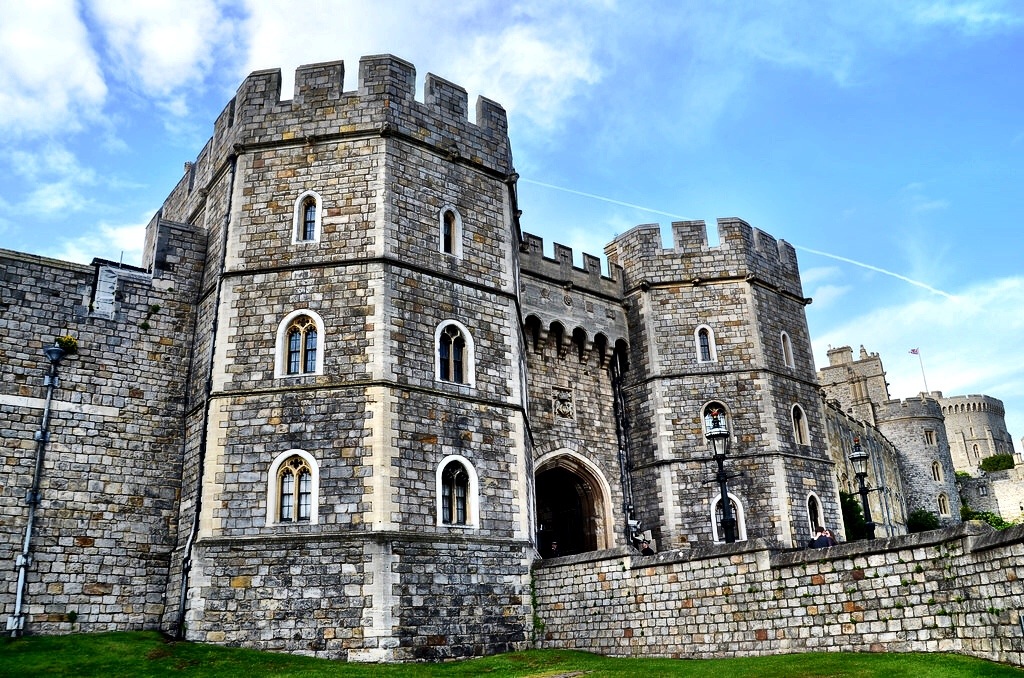
Windsor Castle

st pauls london UK

St Paul’s

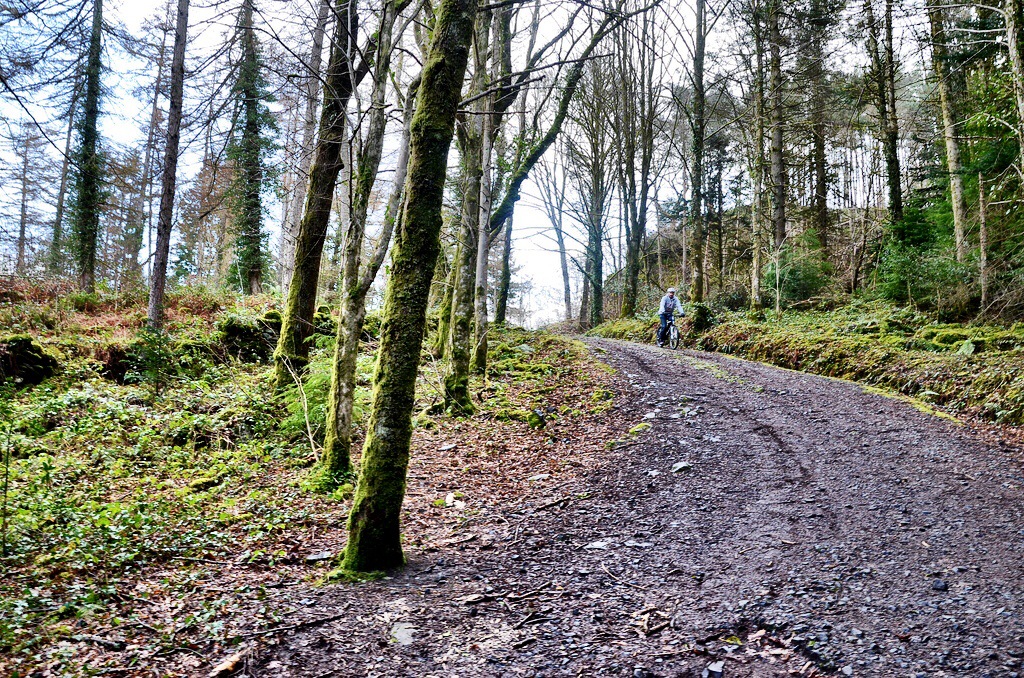
Into the woods of Snowdonia

Bath England

Bath

London East End UK

London’s colorful East End

Quiet spot by the sea

Tower Bridge London UK

Iconic London

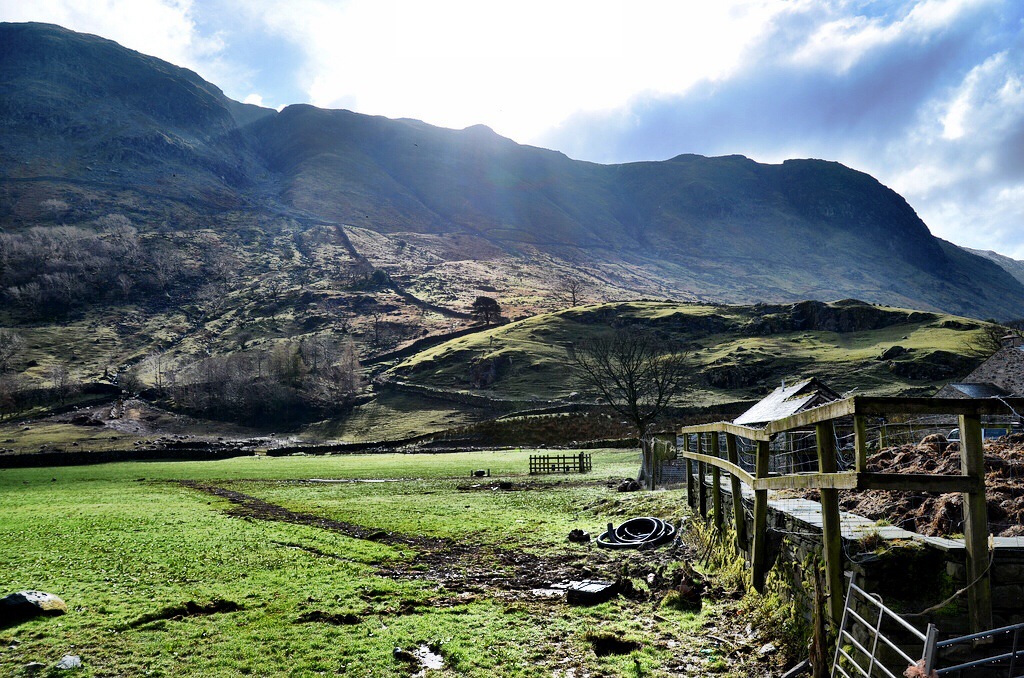
Honister Pass England

Honister Pass, England

bravehearts

You’ll notice that I don’t have any photos of Scotland. The reason for that is I haven’t been there in 17 years, but that will soon be rectified and I’ll have plenty of Scottish photos to share.

The post Great Places to Discover in Great Britain: Photo Series appeared first on LandLopers.

Thursday, 17 September 2015

Prague travel guide podcast

Prague is a magical fairytale of a place, with ancient buildings and cobbled streets. It’s romantic, centrally located and pedestrian-friendly, making it a perfect stop on any trip to Europe. In this Prague podcast travel guide, we talk about our experience of Prague, Czech Republic and how you can enjoy it too.

To listen, hit play below or find episode 306 in iTunes, Stitcher or Soundcloud:

Layout

In practice, Prague is quite easy to negotiate and if you enjoy walking a city, it’s one of the best. The city is divided into numbered sections 1-22, but most of the more well-known areas are in Prague 1 and 2:

  • Old Town (Stare mesto): Prague 1
  • Lesser Town (Malá strana): Prague 1
  • New Town (Nove mesto): Prague 2
  • Jewish Town (Josefov): Prague 1
  • Castle (Hradcany): Prague 1
  • Vysehrad (Vyšehrad): Prague 2

The Vltava River (Moldau in English) runs mostly south to north through the city, with the Old Town nestled in a slight bend on the east side and the castle on the west. The New Town is to the south of the Old Town and the main train station is to the east of them. The airport is about 15km to the west.

Accommodation

Prague has a full range of accommodation options, including hostels, apartment rentals and luxury hotels. We’ve stayed in a bunch of different places, including Mosaic House and Fusion Hotel and have found them excellent, and we’ve also heard great things about Sir Toby’s and Sophie’s Hostel — these hostels are pretty much Europe-renowned for their fun atmosphere and the great people that they attract. Whatever level of accommodation standard you’d like, you’ll find it in Prague — though Couchsurfing could be a challenge because of the sheer number of visitors Prague sees.

Fact box

Name: Prague, but locally Praha
Place: To the north-west of the centre of the Czech Republic. Prague is the capital.
Population: 1.25 million
Language: Czech
Known for: Cheap beer, Christmas markets, a beautiful old town and Good King Wenceslas.
Temperatures: Around 0 in winter and early 20’s during summer. Although summer is warm, it can be wet — take a rain jacket.
Airport: Václav Havel Airport (PRG). Served by budget and legacy airlines. Takes about half an hour to get into the centre of town by public transport.
Currency: Czech koruna (crown). US$1 = 24Kč. €1 = 27Kč.
Price of a pint: 25-40Kč
Price of a dorm bed: From €5/US$5.50, but expect to pay around €10/US$11.
Price of a double room: €28-60/US$31-67
Price of a public transport ticket: 32Kč or 24Kč

Food and drink

Lunch is the big meal in Prague, with red meat and potatoes or dumplings being a main feature of a serious sit-down meal. We were amazed at the range of high-quality international cuisine on offer; don’t just limit yourself to Czech fare when you’re there. We enjoyed Colombian, Georgian, Thai, Vietnamese and Mexican (among others) during our last visit, but still found time for meat and dumplings.

The Czech Republic is serious Pilsner country, with the famous brand Pilsner Urquell being the foremost. There’s also the real budweisers — you know, the beer from České Budějovice, or Budweis. The local Prague beer though, is Staropramen, which is an excellent lager and dirt cheap in most bars throughout Prague.

Transport

There’s an integrated system with the bus, tram and subway (called metro). Tickets are based on the length of time you will be using the service: 30 minutes (24Kč), 90 minutes (32Kč), one day (110Kč) or three days (310Kč). If you’re there for a week or more you can get a monthly pass for around double the price of a three-day ticket, there’s a thriving online market for selling these on. Children and seniors pay half price and if you’re over 70, it’s free to travel. If you’re travelling with luggage, you’ll need to buy a separate ticket for it: 16Kč.

You can buy tickets from ticket machines in metro stations and from kiosks throughout the city. Make sure to validate your ticket before entering the metro and as soon as you enter a bus or tram for the first time, then keep your ticket on you until it expires. Ticket inspectors will issue on-the-spot fines for invalid tickets or not having tickets for big bags. Be aware of false inspectors, ask to see a badge before paying, and they should give you an official receipt.

Prague trams: public transport in Prague is easy to use, but remember to validate your ticket.

Remember to validate your ticket when you get on the tram.

Attractions – free

It could be said that the whole city is a free attraction; it was mainly undamaged throughout World War Two so, unlike much of Europe, the beautiful medieval buildings remain to be photographed. It gives the whole thing a fairy-tale feeling which has made it such an attractive place to visit.

Some of the highlights are:

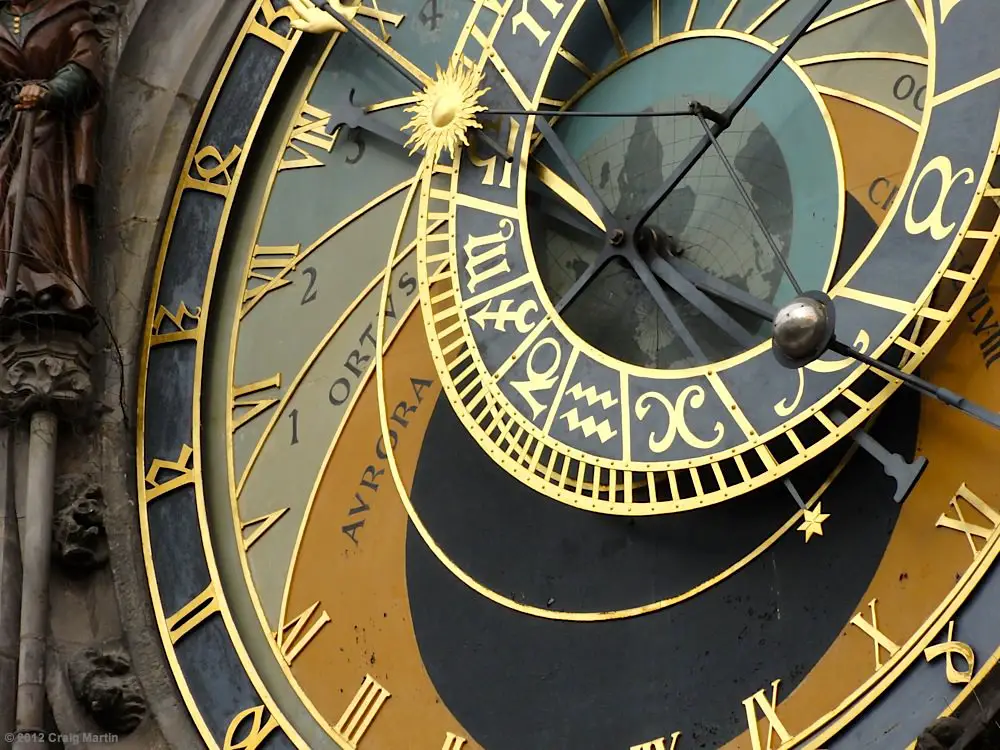
The Old Town, especially the central square with the astronomical clock and gothic and Art Nouveau buildings, particularly the Tyn church. Next to the Old Town is the New Town which was built in the 14th century. Walking through these two sections of town is certainly enough to keep one entranced for a day or so if you stop in at some of the little restaurants, bars and shops. This is also where you’ll find the Dancing House, by Frank Gehry.

There are dozens of bridges across the Vltava River and several in Prague, but one in particular stands out: the Charles Bridge. It’s wide and beautiful with statues all along it. In fact, it’s so wide that a bustling mini-market of souvenir-sellers, buskers, painters and craftspeople line both sides of it!

You’ll pass through the Lesser Town, Mala Strana, on your way up to the castle. There are great views from here and some excellent places to relax and look over Prague.

Charles Bridge is always full of tourists, Prague podcast.

Charles Bridge is always full of tourists.

Attractions – paid

Prague Castle

Access to the castle complex is free, but you need to pay for access to some areas. Full access costs 350Kč, which is also the cost of an audioguide for three hours. If you are likely to get castled out, wander around for free and only pay for entrance if something looks great. Things tend to happen on the hour: watch the changing of the guard ceremony and listen to the bells toll.

Prague museums

The National Museum’s main building in Wenceslas Square is closed for reconstruction, but there are plenty of other galleries and exhibitions spread throughout the city. Museum entrance costs 160kc for all exhibitions or 300kc for a three-day pass. You might also want to consider one of the many Prague Cards on offer which include entrance to some museums as well as transport or a bus tour.

Prague was home to some excellent artists and two that are both contemporary and accessible: the Mucha museum houses works of Alphonse Mucha, a predominant figure in Art Nouveau. If you like his work, head to the National Gallery to see his Slav Epic. Franz Kafka was also a Prague resident and has a museum in the lesser town.

Mucha's Slav Epic in Prague, Czech Republic Prague podcast

Mucha’s Slav Epic is definitely worth a visit if you’re into art.

Another important museum is the Communist Museum which shows many of the ways Prague and what was then Czechoslovakia changed under the regime.

Jewish Quarter

In the Jewish Quarter you’ll find some spectacular sites, including the Old New Synagogue, the Jewish Museum, and the cemetery. The Nazis intended for the area to be a museum of the extinct Jewish race; nowadays it’s an inhabited area full of museums of European Jewish life past and present. Speaking to other travellers about Prague on Twitter, the Jewish cemetery came up again and again as the most memorable thing about their visit.

Attractions – seasonal

May is the month of the renowned Prague Spring Classical Music Festival, drawing stars and fans of serious music from around the world. Not really my kind of thing, but it gives a focal point to the season.

Christmas markets are Prague’s most famous event, with visitors coming from around Europe on short breaks to visit and shop. The markets are spread throughout the city and are easy to find… and enjoy.

Guidebooks

All your favourite guidebook publishers have good guides to Prague. The Lonely Planet Europe on a shoestring has enough information on the city to make the most of a short trip, though I found it really lacked the historical background that makes Prague such a fascinating place. Reading around, the Rough Guide
worked well for that. Since Prague is such a visually rich city, Eyewitness‘s visual slant is perfect. They’re light on the practical information side though.

Where to next

  • Day trip to Sedlec Ostlery at Kutna Hora.
  • Ceske Budejovice or Cesky Krumlov, then south to Austria via Linz.
  • Head west into Germany – Dresden or Leipzig; or south-west to Nuremberg or Munich.
  • South-east takes you through to Bratislava or to Vienna.
  • East to Poland; Wroclaw is close and probably your entry city.

To listen, hit play above or check in iTunes, Stitcher or Soundcloud. This is an updated version of a podcast that was first published in November 2009.

This episode of the Indie Travel Podcast is sponsored by Context Travel.

Context provides private guides and (very) small group tours for the intellectually curious traveler. PhD and MA-educated guides take you deep into your destination, and with a maximum group size of six, you can ask as many questions as you like!

Find out more about Prague tours at Context Travel.

Have you been to Prague? What did you like best? If you haven’t been, what would you like to see in Prague? Leave a comment below.

Tuesday, 15 September 2015

Travel diary: Oundle, UK

We’d never heard of Oundle when we agreed to spend five weeks housesitting here; in fact, we didn’t even know how to pronounce its name. A quick Google search revealed that it’s a town of five thousand people, not too far from Peterborough and about 130km north of London; a map search showed it in the middle of nowhere. We imagined long days of work uninterrupted by any events at all except the twice-daily dog walk. We were wrong.

Well, not too wrong. We’ve been able to get into a pretty good work routine, and we do take the dog for a walk twice a day. But we’ve also gone on a surprising amount of excursions and spent a lot of time with people.

Wine and beer

On our second day in town the local wine merchants hosted a tasting of South African wines, which we attended with pleasure, and a week later our friendly neighbours Jules and Dan took us to a beer festival in a town called Old. We’ve also walked to the villages of Cotterstock, Ashton and Glapthorn as well as visiting the city of Stamford for an afternoon.

Craig on a bridge in Stamford UK.

Craig on a bridge in Stamford.

A highlight of our first week was the guided walking tour we went on, which was run by the local library and guided by a woman called Barbara Matthews. She gave us a historical overview of the town and left us in the centre, where the weekly market was taking place, and where we bought some delicious cheese.

Free walking tour of Oundle UK

We really enjoyed our walking tour of Oundle.

A visitor!

The homeowner, Fiona, had kindly said that we could have guests if we liked, so Janine took advantage of that permission and came to visit for a few days. She was studying for a sailing course in Croatia and Craig and I were both working, so it wasn’t the most exciting of visits, but it was still great to see her.

That weekend I headed south to attend BlogStock, a festival for bloggers that was held in Aldenham Country Park, near London. Craig had suggested I go but it was all looking too difficult until our friend Helen said I could share her tent and agreed to pick me up from Northampton. Two days outside during a chilly autumn weekend left me cold for days afterwards, but I really enjoyed the event. It was great to spend time with Helen and other friends like Dylan, Paul, and Terry and Sarah, as well as meet some bloggers I’d known for ages but just never coincided with, like Julie, Samuel, and Audrey.

Blogstock festival near London UK

The BlogStock festival was cold but fun.

Homebodies

We’d been spending a fair amount of time in the local library and a cafe in the centre of town because the Internet at home was sporadic at best. During our third week in Oundle, though, school started up again and we’ve noticed a significant improvement in speed and latency, so we’ve been at home a lot more. In the evenings we’ve been enjoying Netflix, we’re wondering how much more of The Good Wife we can get though before we leave.

What’s next?

We’ve still got two more weeks here in Oundle, then we’ll be in London for a day before flying to… Moldova! We are ridiculously excited about this, we’ve been planning to go to their annual wine festival for about eight years and it’s finally happening. If you have any advice for what we should do while we’re there, let us know!

Friday, 11 September 2015

Alpacas, Llamas & Goats at Apple Hill Farm in North Carolina

Children shriek in giddy delight as alpacas nuzzle the fence—a strange feel of Andean charm in the middle of Appalachia. Alpacas are the main attraction here on Apple Hill Farm in North Carolina, about 25 minutes from Boone, but there are also goats, chickens, donkeys, and pigs that accompany them on this 42-acre property. As we arrived at the farm, we were introduced to Mr. Pickles—the pig who can stand on two legs—and given some basic rules of the farm to not chase or harass the animals.

Get up-close with Alpacas on a farm in North Carolina.

Get up-close with some cute alpacas on a farm in North Carolina.

We began to explore the expansive farm. For being in the middle of an alpaca farm, I was strangely fascinated by the lone llama found roaming within the pen.

The way to spot the llama, we’re told, is to look at the animal’s ears; when we find the one with ears that are the shape of furry, brown bananas, it means we’ve found the only llama roaming Apple Hill.

The fuzzy, banana-shaped ears of the llama.

The fuzzy, banana-shaped ears of the llama.

In addition to the llama’s distinctive ears, what’s equally fascinating is learning how a llama puts up a fight. According to Sage, our soft-spoken guide, a llama will stand on it’s hind quarters and kick at the incoming threat.

“The llama helps guard the alpacas,” she says. “They use their hooves like knives.”

As it turns out, the llama was imported to protect the alpacas from toothy visitors in the night. Black bear, coyote, and the rare cougar had been picking off the alpacas, and it wasn’t until the llama arrived that the attacks finally stopped.

Tragedy and heroics aside, however, the main attraction of this alpaca farm is goading the animals close to the fence to stroke their soft brown fur.

Kids feeding the goats.

Kids feeding the goats.

For fifty cents, children can buy a bag of seeds to feed the Angora goats—a species known for its lustrous wool that’s used to make mohair sweaters. Unlike many traditional farms raising stock for milk or meat, Apple Hill Farm harvests only the fibers from the coats of alpacas and goats. The fibers are spun into socks and yarn at a mill elsewhere in North Carolina, and sent right back to Apple Hill for sale in the tiny gift shop.

Wool made from the alpaca's fur.

Wool made from the alpaca’s fur.

That shop, it turns out, is located up on the second story of a large, redwood barn, and I need to step over a sleeping dog to climb the flight of stairs. Though the farm itself isn’t very large, it’s still a small scale, working farm where tractors ply the gravel roads and dirt gets under your nails. Donkeys bray behind the barn and dogs help herd the goats, and chickens cluck a soft rhythm while sitting atop their eggs.

To the west of the barn, past a country farmhouse bordering a drive that’s lined with well-used trucks, a view of the rolling Appalachians blends with the blue of the sky. Up here at 4,000 feet where the air is crisp and clear, the pace of life is noticeably slower than Asheville or neighboring Boone.

It’s an escape where kids can interact with cuddly, hungry goats, and maybe even score some eggs when passing by the coop. It’s a way to show children that clothing and food comes from someplace besides the store, and learn a bit about the alpacas and their brave, guardian llama.

A visit to this North Carolina farm is a great experience for the kids.

A visit to this North Carolina farm is a great experience for the kids.

While the tour itself doesn’t take very long—an hour at most with the gift shop—this alpaca farm on Apple Hill is a cute, hug-filled, furry stop in the North Carolina high country. You might even walk away with some socks—grown right here in Boone.

Discover more things to do in Boone, North Carolina!

- Contributed by Kyle Ellison

Alpacas, Llamas & Goats at Apple Hill Farm in North Carolina by from Viator Travel Blog